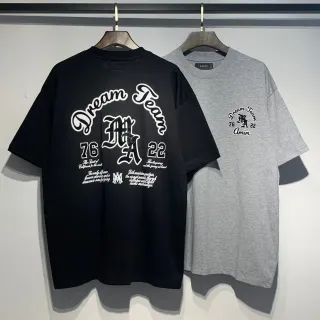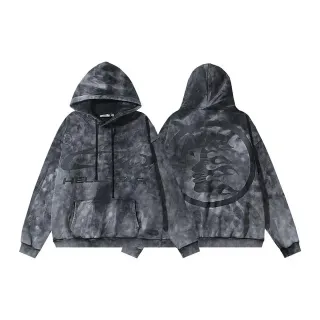
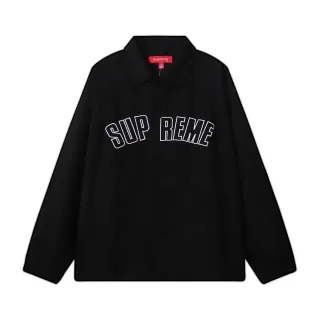

What an update should prove
A seller can move a photo to the top of an album without receiving new stock. That is not necessarily dishonest; sometimes a seller is making a useful item easier to find. But it is not evidence of a new production run either. Treat the upload date as a clue, then look for corroboration: new angles, a changed size range, a revised colour, a batch note, or a detail shot that was not in the previous listing.
This distinction matters because searchers use “new” in at least three ways. It can mean a new-to-you style, a recently uploaded album entry, or a restock of a known product. These are different claims. A good newdp yupoo reading habit records which one the seller actually means, rather than letting a new thumbnail imply all three.
Six signals of a genuine new drop
- More than a new cover. Look for additional construction views, not only a new hero photograph.
- Consistent naming. A revised colourway or material note appears across the album, not just in a caption.
- A real size run. Ask whether the range is physically available now and whether the run shares one batch.
- Fresh details. Stitching, labels, sole pattern or hardware is photographed close enough to compare.
- Availability language is specific. “Restock expected Friday” is more useful than “new hot item.”
- Repeat check succeeds. Revisit after a day or two; a live item should still resolve and the seller should confirm stock.
New arrival versus restock
A new arrival is a listing that has entered the seller’s assortment. A restock is another quantity of something already sold before. The difference affects what questions you ask. For an arrival, request actual-piece photos and measurements because the listing may be based on samples. For a restock, ask whether the factory or batch changed. The same name does not guarantee identical materials across production runs.
If you are comparing fast-moving items against a steadier catalogue, use the JMDY album-code guide to keep a stable reference, then compare with the TopHotFashion trend-album notes. Buyers who shop by garment category can also browse MVT tracksuits or 3Madman streetwear.
Build a shortlist, not a screenshot graveyard
Save the album URL, product code, date checked, colour, size requested and the seller’s exact stock answer. Add one sentence about what still needs confirming. Screenshots without a date or code are hard to use later, particularly when the album gets rearranged. A simple note makes it possible to distinguish “I saw this once” from “the seller confirmed it yesterday.”
When a product link dies, do not assume that the item has vanished from the market. Search by its code or send a clear reference photo. The QC photo guide explains which views help a seller identify a piece; the shipping guide covers what to settle before consolidating several orders.
When a broader store is the better answer
Trend albums are useful for discovery but weak as long-term inventory records. If you have decided what you want, use a catalogue that groups listings by category and brand, then confirm current availability directly. WWTop’s live shelves cover shoes, clothing, bags and accessories; the store also says buyers can ask on WhatsApp about an item that is not listed. This guide links to the store as a commercial partner, so the relationship is disclosed rather than implied to be independent endorsement.
Keep the evidence proportionate
No album timestamp can guarantee stock, and no polished image can prove the item you receive matches the photograph. Ask for the evidence that answers your question: actual-piece photos for condition, measurements for fit, and a written batch confirmation for consistency. If an answer remains vague, pause the order. Speed is useful only when it does not replace verification.