
Adidas
Wholesale · cartons & size runs
Four order sizes, four different transactions. The table below is the whole argument in one place; the sections underneath explain why each breakpoint exists and where a carton stops behaving like a parcel.
| Order size | Price | QC | Packing | Shipping |
|---|---|---|---|---|
| 1 piece | List price. No step, no negotiation. | One photo set before dispatch, from the seller's own stock. | Poly mailer or single box, no padding beyond the original packaging. | One parcel at retail rates; volumetric weight rarely matters. |
| 3–5 pieces | Five to eight percent off list on one colourway; mixed colours usually stay at list. | Per-unit QC on request, before the order is packed. | One consolidated box if the items fit; ask for the dimensions. | Consolidated weight beats separate parcels from about three pairs up. |
| 10+ pieces | First real carton step. A size run of six to eight numbers usually unlocks the next band. | Sample QC plus a full photo set of the lot, labelled by size. | Carton with size-run labels, dividers between sizes, one box per colourway. | Volumetric weight now beats actual weight; get carton dimensions up front. |
| 30+ pieces | Quoted per carton, not per piece, and negotiable on a repeat order. | Pre-shipment photos of every carton, or a third-party check for resale. | Double-wall carton, dividers, reinforced corners, correct content label. | Freight forwarder or LCL; per-kilo cost halves, lead time doubles. |
The percentages and bands move with the season — treat them as shape, not scripture. Ask WWTop for a live carton quote →
Four pairs in four sizes is not the same order as one pair in four sizes, and the difference has nothing to do with sentiment. A size run is a single production batch: the leather, the thread lot and the sole unit all come from one run, so the pairs match each other. Four separate singles are four separate pulls from whatever was on the shelf, and the odds that all four match on colour and stitching are lower than buyers expect until they see it happen.
The second reason is arithmetic. Sellers price a run because a run is easier to pack, easier to label and easier to hand to a courier. That efficiency is worth a real discount, usually five to eight percent at the first step and more as the carton grows. Four singles get you four parcels, four tracking numbers and four chances for one box to be opened in transit.
Sneaker sizing makes the run argument stronger: half sizes sell unevenly, so a seller sitting on a full run is often the keenest to move it. Read the Koala batch grading notes before deciding which tier to run in.
A mixed-carton minimum is not a minimum order value. It is the smallest number of units a factory will physically pack into one carton before it stops being worth their time to open a fresh bundle of stock. In practice that lands somewhere between eight and twelve pieces for shoes and rather fewer for flat clothing, and it is quoted per seller rather than per platform.
What confuses people is that the minimum applies to the carton, not to the product. You can mix colourways and sizes inside one carton as long as the total clears the floor. What you cannot usually do is mix categories — shoes and fleece sets in one box is a packing problem, not a pricing one, and most sellers will split it into two cartons and charge you accordingly.
Ask how many units make the minimum, whether the price steps by carton or by unit total, and what the packed carton measures. The third question is the one people forget, and it is the one that decides whether your "cheap" order clears customs without a surprise.
Price breaks in a Thunder album are not discounts. They are a schedule that reflects how the seller's cost changes at each volume. Under ten pieces you are paying retail handling: pick, photograph, bag, label. At ten you cross into carton handling, where the per-unit labour collapses and the saving gets passed on. At thirty you are into freight, where the courier rate disappears entirely and the cost is quoted by the cubic metre.
Two practical consequences follow. First, a small extra push often pays: ordering eight when the break sits at ten costs more per unit than ordering ten does. Second, never assume the break is a percentage — ask whether it is a step, where every unit drops, or a tier, where only the units above the threshold do.
Consolidation is where bulk orders fail quietly. Two cartons shipped together can be one carton in a warehouse and two again at the border if the paperwork only lists one. Insist that the invoice matches the carton count, that each carton carries a label naming the size range inside, and that the declared value total equals the sum of the individual cartons.
Photograph the cartons before they leave. Not the products — the sealed cartons, with their labels and weights visible. If something goes missing between the seller and your door, a photo of eight closed boxes with readable labels resolves a dispute in a way that forty product shots never will. The shipping guide walks through the weight and volumetric side of the same problem.
A carton that mixes batches is the most expensive mistake in this article because it does not look like one at the time. You order ten pairs, the seller fills the box from two production runs to hit the size run faster, and nine of the ten are fine. The tenth is a mid-tier shell inside a top-tier order, and by the time you notice, the carton has been split and shipped to five people.
Write "single batch, all units same production run" into the order note and ask the seller to confirm it in their reply. A seller who cannot confirm it is telling you something useful. A seller who can will usually photograph the whole lot from one run before packing, which is also the photo set you want for resale.
The same logic applies to colour. Mixed-batch cartons often hide a shade difference between two black pairs, and shade differences are the one defect that photographs badly and looks obvious on a shelf. Flat, labelled, daylit photos of every unit are the only defence that scales past ten pieces.
Bulk orders magnify sizing errors. One wrong size in a single order is a return; one wrong size across a run of ten is ten returns. Before the carton goes out, confirm the run against the Baymax size charts and adjust for the fact that CN sizing runs roughly one step small on apparel. On shoes the gap is smaller but real, and it is the half sizes that hurt most in resale.
Spanish-speaking buyers running this same playbook call it comprar por caja, and the yupoo proveedores guide covers the vocabulary and the minimums in Spanish if that is the market you are selling into.
The failure mode for a first bulk order is buying scale before you have tested the seller. Ten pieces is enough to learn whether the batch holds, whether the packing survives, and whether the size run sells in your market. Thirty pieces is enough to lose money properly if any of those three answers is wrong.
Order ten, sell them, then order again. A repeat order is also your only real leverage on price, because a seller quotes better once the relationship has a track record. The suppliers index lists the albums that publish carton notes openly, which is a fair proxy for one that will quote honestly.
Shoes, fleece and a bag in one order — the three categories that almost never ship in the same box, and the reason carton notes exist.

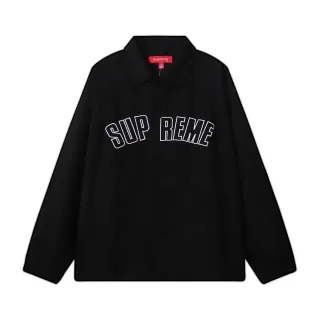
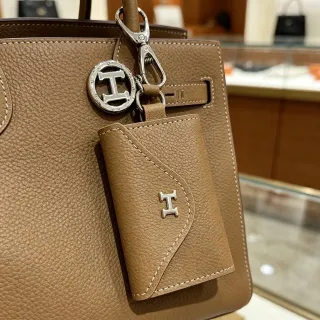

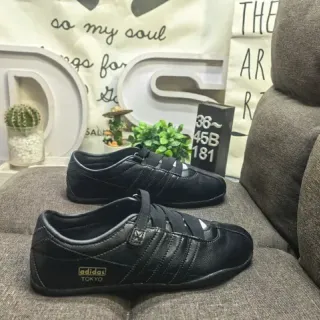

Four answers for the point where a single order starts turning into a carton.
Related: MVT fleece sizing notes and the site FAQ for platform-level questions.
Usually eight to twelve units for shoes and fewer for flat clothing, quoted per seller rather than published. Ask for the carton minimum specifically — not the minimum order value, which is often much lower and answers a different question.
Both exist and they are not the same thing. A step drops the price of every unit once the threshold is cleared; a tier only drops the units above it. Ask which one you are being quoted before you add a twelfth piece to chase a discount that will not apply.
Occasionally, but most sellers will not. Shoes need rigid walls and clothing needs volume control, so mixing them usually produces one overstuffed box and one half-empty one. Expect two cartons, and expect to pay two shipping minimums.
Photograph the sealed cartons with their labels and weights before dispatch, and keep an invoice that lists each carton's declared value. Product photos do not help in a transit claim; carton photos and matching paperwork do.
Carton-ready
WWTop Yupoo will quote a size run by carton rather than by piece, and will confirm the batch before packing. That single confirmation is the difference between a run that resells and a run that returns.
Store links carry ref=yupoo.lifestyle so the shop can match the quote to this guide.