
Adidas
The generalist · seven shelves, one catalogue
Shoessneakers & lows
 Clothinghoodies & sets
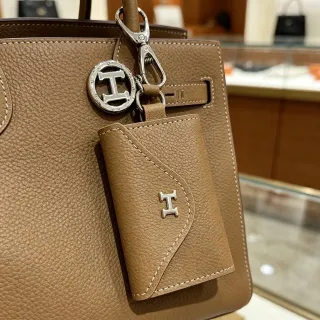 Bagsleather & woven
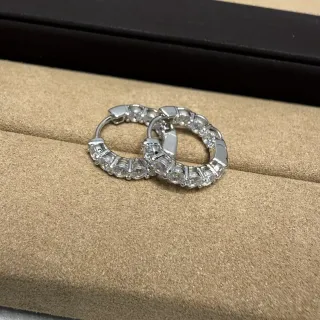 Accessoriesjewellery & charms
 Electronicsaudio & phone
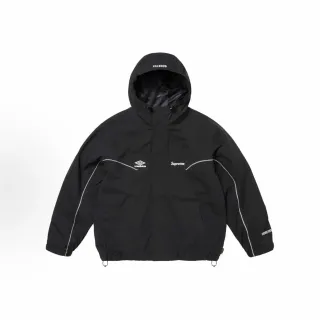 Topsjackets & shells
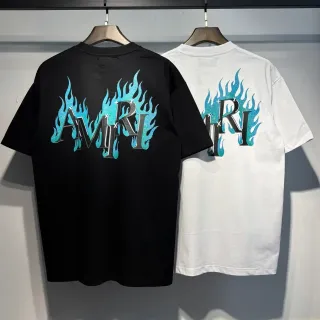 T-Shirtsgraphic tees
Seven shelves, and each one is a live category rather than a page of static links. That distinction is the whole reason this store works: a shelf reflects what is in stock this week, while an album reflects what a seller uploaded in the spring. Below is what each shelf actually holds, how the brand layer sits on top, and the one service that covers everything the shelves miss.
Not every shelf is deep. Here is the honest shape of each one, in the order people tend to shop them.
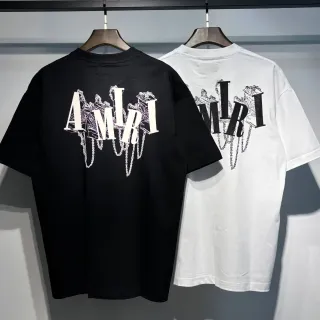
Hoodies, crewnecks, coach jackets, track jackets and the odd GORE-TEX shell. The spread is streetwear-first: Hellstar, Amiri, Supreme, BAPE and Jordan dominate the rail, with generic oversized blanks filling the cheap end. Sizes run S to XXL on most listings, and the size chart lives on the product page rather than in an album footer, which is where it should be.
The shoes shelf is the reason most people arrive. Adidas carries the volume — Forum Low, Superstar, Adizero, suede three-stripe variants — with Prada, Dior, Burberry and Nike filling the premium and statement ends. Expect full size runs on the Adidas lines and thinner runs on designer frames, because a B27 or a Cloudbust is ordered in ones and twos.
Handbags, top-handle satchels and crossbodies from Hermès, Gucci, Chanel, Versace and Balenciaga. The photography is unusually close: hardware, edge paint and strap attachments are shown individually. Treat the shelf as a curated shortlist rather than an encyclopaedia — roughly forty shapes rotate through it at any time.
Necklaces, pendants, hoop earrings, charms and phone accessories. Low unit prices, high value as haul-fillers, and the shelf where a bad batch is most obvious: plating that photographs warm under white light will look warm on your collarbone a month later. Read the close-up, not the thumbnail.
Audio and phone accessories, not devices that need firmware. Beats headphones, phone charms, keychains and the sort of small object that survives a shipping line without a battery declaration. If you are looking for something powered and expensive, this is not the shelf.
Tops holds jackets, shells and layering pieces; t-shirts holds the graphic tees. The split exists because the two have completely different fit behaviour: a boxy tee is judged on shoulder width, a shell on sleeve length. Keeping them apart stops the size guide from becoming useless.
The brand layer sits on top of the category layer, and it is organised by manufacturer first, product type second. That single decision explains most of the navigation.
Ask for a Gucci bag and you land on one shelf holding every Gucci bag, belt and wallet in stock, rather than a store-wide search that scatters results across four categories. Ask for a Burberry sneaker and the same logic applies in reverse. The brand shelf does not care what the item is — it cares who made it, because that is how buyers actually think when they are replacing something specific.
Under each brand, listings keep their own size run, weight and shipping band. A Casio watch and a Chanel flap bag under different names still each carry the data a customs form needs, which matters more than it sounds: a shelf that hides weight produces shipping quotes that are wrong by the time the parcel reaches a forwarder.
Seven shelves is small enough to hold in your head. It is the layer you browse when you do not yet know what you want.
Fifteen brand shelves: Adidas, Jordan, Nike, Prada, Dior, Gucci, Chanel, Hermès, Burberry, Balenciaga, Valentino, UGG, New Balance, Casio and Dolce & Gabbana.
One product, one size run, one weight, real photographs of stock. This is where a batch is either confirmed or exposed.
Every catalogue has a hole in it. You saw a jacket in a video, or a colourway that sold out two seasons ago, and no shelf has it. That is exactly the case the WhatsApp channel exists for — not general support, but sourcing for items that were never listed.
Send a screenshot, an album link or a product code with your size. The reply that is useful is the one that names a batch and a price, not the one that says “yes friend, available”. If the answer is a batch you have never heard of, ask for a photo of the actual unit before paying. A sourcing channel that will not show you the item is a sourcing channel that is guessing.
The service is not a search box. It is a person with access to the same workshops the albums buy from, and it works best when you arrive with an image and a size rather than a description.
No agent, no form relay. The route is short, and the only step people skip is the one that matters.
Start from the category you need, not from a keyword. A listing that sits under Shoes and also appears under a brand shelf is the same stock — do not treat them as two options.
Ask for the batch name and the flat measurement of the exact unit. This is the step that gets skipped, and it is the only one that protects you when the parcel arrives.
You get photographs of the actual item before it ships. Check stitching, print placement and hardware tone — not the silhouette, which you already decided on.
Shipping line changes the arrival window far more than the seller does. A cheap line in December is a February parcel. Budget the line, not just the item.
Most guides assume you will route through an agent platform. You do not have to, and the trade-off is worth understanding before you decide.
An agent exists to solve three problems: language, payment and consolidation. They buy from an album you cannot check out from, hold the parcel, and combine it with other purchases. In exchange you pay a service fee, wait for a relay step, and lose direct contact with whoever packed the box. For a single hoodie, that is a lot of machinery.
Ordering from a shop that mirrors catalogue stock removes all three problems at once — but it also removes the buffer. There is no platform dispute layer behind the transaction, so due diligence moves earlier. Confirm the batch, get the measurement, approve the QC set, and keep the conversation in one thread so nothing gets re-quoted at the last minute.
Where an agent still wins: hauls spread across several sellers who do not ship to your country, or a purchase you want consolidated with an existing warehouse balance. If neither applies, direct is faster and cheaper, and the QC you approve is the QC from the person packing your parcel rather than a warehouse photographer three steps removed.
A wwtop yupoo review is only useful if it describes the process. Any page that reviews a single hoodie is telling you about one unit, not about how the catalogue behaves in month three.
One from the volume end, one from the premium end, one that only exists because someone asked for it.

One catalogue, seven shelves
The wwtop yupoo catalogue is the shortest route from a photograph you liked to a parcel with your name on it. Seven categories, fifteen brand shelves, WhatsApp sourcing for anything that is not listed, and QC photographs before dispatch.
Store links carry ref=yupoo.lifestyle. Editorial site, no stock held, not affiliated with Yupoo or any brand shown.
Seven shelves: clothing, shoes, bags, accessories, electronics, tops and t-shirts. Each is a live category with its own size runs and weights. Depth varies — clothing and shoes carry the volume, bags are a rotating shortlist of about forty shapes, and electronics is deliberately narrow to avoid battery declarations.
Yes, and it is a sourcing channel rather than a support line. Its job is finding the piece that has no listing: an old colourway, a size that sold out, or something you saw in a video. Arrive with an image and a size. The useful reply names a batch and a price, and will send photographs of the actual unit.
Go through the shoes shelf rather than a brand shelf, because the size run is attached to the listing, not the brand. Adidas lines usually hold a full run; designer frames are thinner. If your size is missing, that is a sourcing request, not a dead end — ask before you assume it is gone.
No. The store takes orders directly and handles QC photography, packing and the shipping line itself. That removes a service fee and a relay wait, and it also removes the platform dispute layer, so confirm the batch and measurements in writing before paying. An agent still makes sense for multi-seller hauls that need consolidating.
Almost all of them review a single item, which tells you about one unit rather than the catalogue. The questions worth asking are duller: does the same listing still exist next month, is the size chart consistent across shelves, and what happens when a size sells out mid-order. Those answers predict your second order far better than a photo of a hoodie on a chair.
Comparing the generalist against a specialist? The koala yupoo breakdown covers sneaker batches in depth, and the supplier index puts all thirteen families in one table. Spanish-speaking resellers should start with yupoo proveedores.