The eight angles that make a set usable
A QC set is not a photo shoot. It is a checklist somebody else performed on your behalf, and like any checklist it is only as good as its coverage. Trade inspection photography follows a fixed sequence because a defect invisible from one angle is obvious from the next.
Count the eight. Both lateral profiles. Both three-quarter views from the toe. The heel counter, shot from behind and straight on. The outsole, flat. The tongue label, legible. The insole lifted out of the shoe. The toe box from directly overhead. And one frame of the pair together, unworn, so you can see whether left and right came from the same leather.
Twelve photos of the same three-quarter angle are not a set. They are twelve chances to admire a toe box and no chance at all to check a heel. If two frames are missing, ask for them by name. If four are missing, you are not looking at QC — you are looking at the seller's product page with a different filename.
Warm light is a filter, not a mood
Most resellers shoot under 2700–3500 K bulbs, and aesthetics are not the reason. Warm light evens out tone, softens oxidation on a white midsole and turns a glue bleed into something that reads as shadow. Under 5500 K daylight the same pair is a different object: the glue line goes amber, edge paint looks chalky, a yellowed sole is impossible to miss.
You cannot pick the lamp, but you can request one extra frame: the item beside a sheet of white A4 in the same light. Paper is a known quantity. If the sheet photographs cream, everything around it is warmer than life and you should subtract accordingly. If it photographs blue-grey, the shot came off a cheap LED panel and the colour is not worth reading.
Shadow is the second tell. Light raking in at roughly fifteen degrees throws shade into the stitch deck and shows whether the rows run straight. Flat frontal light that leaves no shadow anywhere is a very efficient way to photograph a wobbly seam so that it disappears.
Put something with a known size in the frame
Sizes are the most confidently stated and least verifiable number in any catalogue. The fix is a reference object: a bank card is 85.6 by 54 mm anywhere on earth, an A4 sheet is 297 by 210. Ask for one of them flat in the frame and sole length stops being a matter of trust.
A pair listed at EU 42 should measure about 28.5 cm heel to toe, give or take three millimetres between factories. Drift past that and you are looking at a different size, or a different last — a wider mould that will fit like nothing already in your wardrobe. Logos are easier still: measure the gap between two stripes against the card, then compare with a retail photo taken from the same angle.
Weight is the third reference, and the one sellers volunteer least. Leather sneakers in a 42 land around 480–520 g. The same silhouette in synthetic often comes in under 400 g. When an album publishes grams, read it before you read the copy.
Glue, stitch and edge paint at 100 percent
Zoom until the image goes soft, then step back one notch. That is where defects live, and only three of them are worth your time — ordered here by how expensive they are to live with.
Glue. Look where the upper meets the midsole, at the toe and around the heel. Clean construction leaves a thin, even film that stops short of the leather. A rushed line leaves stringy excess, a yellow halo where solvent was wiped, or a bubble that opens within a month of wear.
Stitch density. Proper uppers run seven to nine stitches per inch with even tension and parallel rows. A row that drifts toward the sole, a skipped stitch at the toe cap, or a doubled-back run where the machinist restarted is a construction problem, not a cosmetic one.
Edge paint is the sealed rim on a cut leather edge. It should be smooth, faintly glossy and the same thickness the whole way round. Ragged paint is a shrug on a cheap pair and a legitimate refusal on an expensive one.
The shots sellers leave out
The insole is the most honest part of a shoe. Lift it and photograph the print flat: a clean, centred stamp with a readable size usually means the same factory got the pattern right too. A blurred, off-centre print on an insole that does not match the shoe is assembly from whatever was within reach.
Box labels carry the style code, the size and a production date, which is how you check an item against a retail reference. Ask for the label flat rather than angled. A label photographed edge-on is usually a label with the wrong code on it.
The last frame almost nobody requests: both shoes side by side, laces out, nothing styled. It is the only shot that shows whether the pair came from one dye lot. Two different shades across a pair is not a lighting problem.
How to write a rejection that gets actioned
Rejections fail for a boring reason: they describe a feeling instead of a fact. “Quality is bad” gives a seller nothing to act on and is easy to answer with “friend, this is normal”. A rejection that works has three parts — what you see, where it is, what you want.
Write it once, in one message. Crop the photo, circle the defect, put the sentence underneath: “Left shoe, heel counter, glue visible along the seam for about 15 mm. This is outside the standard shown in your album. Please exchange for a pair from the same batch, or refund this line.” Then stop typing. Every extra paragraph dilutes the ask.
Name a deadline and a consequence without theatre: “If a replacement is not available within 48 hours I will refund this line and ship the rest of the order.” Agents price a clear cost far better than they price anger. Keep the log — the buyer with a timestamped record wins these arguments.
Let the small things go. A two-millimetre toe height difference, a seam sitting slightly proud, a lace one shade off: all inside tolerance at this price point. Spend rejections on the defects you would notice every time you put the item on.
The fourteen-point inspection checklist
Work down this list once per item, in order. It takes longer to read than to perform, and it catches the failures that otherwise arrive three weeks later in a parcel.
- Both lateral profiles, in focus, at full zoom.
- Heel counter from behind — straight, or leaning in?
- Outsole flat, tread depth even across the forefoot.
- Tongue label: letter geometry, spelling, stitch border.
- Insole lifted, print centred and legible.
- Toe box from above — symmetric, no pre-crease.
- Glue line at the toe and around the heel.
- Stitch density and drift along the upper.
- Edge paint continuity around the entire sole rim.
- A reference object in frame — card or A4 sheet.
- White paper in the same light for colour truth.
- Pair together, unworn, for shade matching.
- Box label: style code, size, factory stamp.
- Weight in grams, if the album publishes it.
Where a defect sits, and whether it is worth refusing
Eight calls we make repeatedly. The right-hand column is not generosity — it is a rough calculation of what a replacement costs you in days, not money.
| Defect | Where to look | Accept or reject |
|---|---|---|
| Glue halo at the toe | Junction of upper and midsole under raking light | Reject on smooth leather, accept on suede |
| Skipped stitch | Toe cap and heel seam, at 100% zoom | Reject — it will open with wear |
| Ragged edge paint | Entire sole rim, followed clockwise | Accept under 5 mm, reject if flaking |
| Shade mismatch across the pair | Pair-together frame beside white paper | Reject — two dye lots, not two lights |
| Yellowed midsole | Outsole shoulder, daylight frames only | Accept at a discount, reject at full price |
| Off-centre insole print | Insole lifted and photographed flat | Accept — cosmetic, invisible when worn |
| Box label mismatch | Label flat, style code against the album | Reject — wrong-SKU risk before shipping |
| Printed logo instead of embossed | Heel or tongue, lit from the side | Reject on premium tiers, accept on budget |
Cross-check the batch before you approve
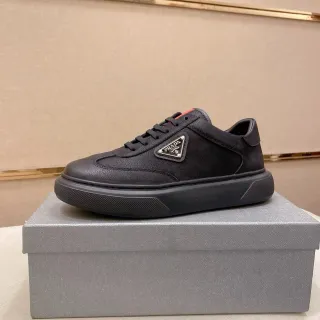
Reading a set well still depends on having something to compare it with. The three listings below show how detail photography should look on stock that is actually held, not borrowed from a factory folder. Use them as the reference frame for yupoo batch quality when an album gets vague.
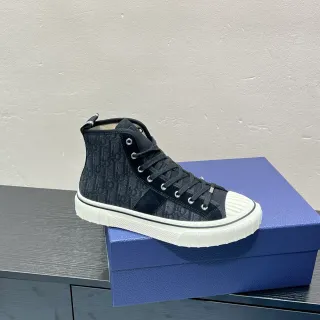
B27 High-Top, Monogram Canvas
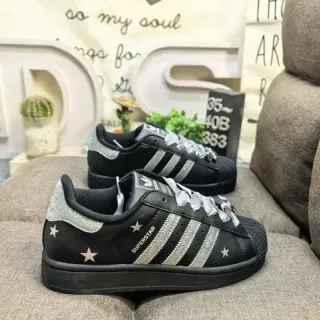
Superstar Glitter Star
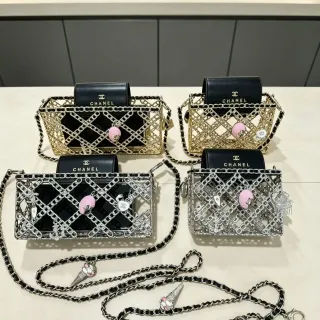
Chain Cage Flap Bag
Bags follow the same logic as shoes with one addition: ask for the interior, the zipper pull and the hardware at an angle that catches a highlight. Plated metal is the fastest tell on a bag, and it never photographs well in flat light.
Six questions that arrive after the first rejection
How many QC photos should I actually ask for?
Eight minimum, twelve is generous. Fewer than eight and an angle is missing; more than sixteen usually means the same view twice with different crops. Ask for missing views by name — “heel from behind, outsole flat” — rather than for “more photos”, which is a request a seller can satisfy without showing you anything new.
Can I accept video instead of stills?
Both, not either. A twenty-second clip is good for shape, light and how the leather moves; it is useless for a stitch count because every frame is compressed twice. Watch the video to decide whether the pair looks alive, then inspect the stills to decide whether it is constructed properly.
Do QC photos cost extra?
With most agents they are bundled into the service fee. A few sellers charge a small amount per item for additional angles, which is usually worth paying above a certain price. A seller who refuses to photograph at all is not charging for QC — they are declining to be inspected, and that is the actual signal.
What if the seller refuses the extra angles?
Ask once more, politely, naming the exact frame. If the answer is still no, weigh it against the price: on a cheap item, accept the risk and move on; on anything expensive, treat the refusal itself as the QC result and walk away. There is always another album with the same factory behind it.
Is a damaged box a reason to reject?
Only when the box is part of the product or the gift. A crushed corner that happened in transit is a shipping claim, not a QC claim, and the seller will say so. A mismatched label is different: that is a wrong-SKU risk and worth refusing before the parcel is packed, not after.
The pair arrived different from the QC. What now?
Screenshot the original set, photograph what arrived on a plain surface in daylight, and send the two side by side. “The pair you approved” against “the pair I received” is the only argument that resolves consistently, because it needs no adjectives and no translation. Do it within the return window, before you wear them.
Related reading: how the parcel actually moves once QC passes, and the twenty-question FAQ for everything before the first order.