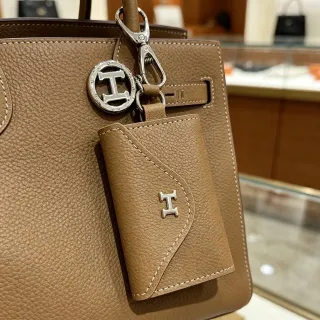
Hermès
Yishan yupoo · bags and leather
A handbag is the only product in this catalogue where the photograph can tell you almost everything, if you know where to point the lens. Edges, creases, hardware weight and stitch density are all visible in a phone snap — and all invisible in the soft-focus hero shot every album leads with.
A bag album sells you a silhouette and a story. The object in the parcel is a piece of leather, a piece of lining, some hardware and thread. Those four things determine whether the bag looks right in eighteen months, and all four can be evaluated from three specific photographs — an edge, a fold and a clasp — which is more than can be said for a hoodie or a sneaker.
This is also why two buyers can look at the same yishan yupoo listing and reach opposite conclusions. One is judging the shape against a memory of the retail piece; the other is judging the hide against the price. Both are reasonable, and only the second one survives contact with the parcel.
Rule one
A stamped clasp costs the factory pennies and costs you the difference between a good album and a bad one. The hide is where the money goes.
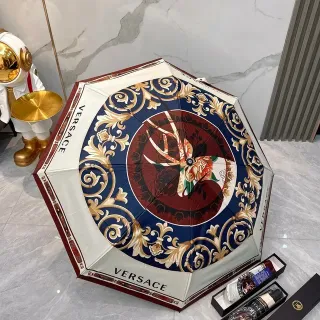
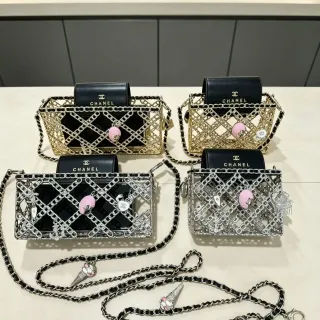
Woven in
Ask for the cut edge of the strap, a hard fold across the front panel, and the back of the clasp. The edge shows what the hide is. The fold shows how the finish behaves. The clasp back shows how the hardware was plated, and whether it was plated at all.
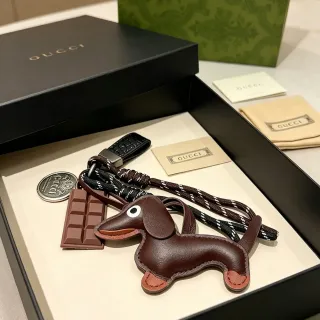

Price signal
Full-grain is never uniform. Patches of sheen, a scar, a grain that changes across the panel — these are good signs, not defects.
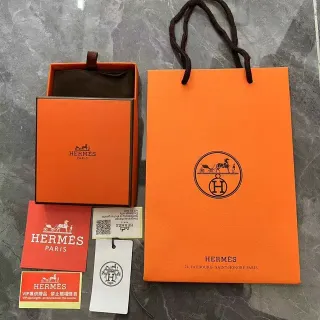
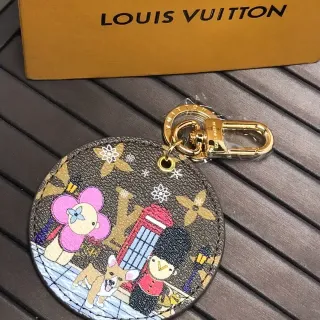
The same bag shape appears in every row of this table. The price gap between the top and bottom row is roughly ten times, and almost all of it is the hide.
| Grade | Feel in the hand | Ageing | Price band | Repairability |
|---|---|---|---|---|
| PU / coated synthetic | Dry, faintly tacky, warms up fast and stays warm | Peels at flex points within a year; the peel spreads from the strap anchors | None. A patch is the only option and it always shows. | |
| Bonded / corrected-grain split | Even and matte, with a slightly plastic snap when flexed | Softens nicely, but the edge paint cracks first and then flakes | Limited. An edge repaint buys a year; a torn panel does not mend. | |
| Top-grain, pigmented | Firm, cool at first touch, visible pores, faint crease | Creases into a soft patina over two or three years of daily use | Good. A cobbler can re-dye or replace a strap without matching problems. | |
| Full-grain / vegetable tanned | Waxy, dense, irregular — no two panels feel identical | Darkens and softens for years; scratches burnish rather than scar | Excellent. Scratches lift with a fingertip and a little oil. |
Reading the ladder column: one filled square is the cheapest tier in the album, four is the most expensive. It is a relative scale, not a price.
Hardware is the cheapest place to cut and the first place to fail. A clasp is either solid brass, zinc alloy with a decorative plate, or steel with a cosmetic wash. You cannot see the difference in a thumbnail, but you can hear it and you can weigh it.
Where the chain rubs the eyelet, and where the clasp meets the strap. Plated zinc goes dull and then grey. Brass goes darker and warmer.
A clasp that feels like a coin is solid. One that feels like a bottle cap is plated zinc, and it will pit within a season of hand cream.
Tap two pieces together. Brass rings and fades. Plated zinc clicks and stops. Ask the seller for a short video if you can.
One more tell that costs nothing to check: the screws. Visible flat-head screws holding a plate or a clasp are a good sign, because they mean the hardware can be tightened or replaced. Hidden rivets and glued plates mean the whole fitting is a single sealed unit, and a bag with a loose clasp becomes a bag you cannot close.
Count stitches per centimetre on the strap, then count them again on the body. A good workshop runs eight to nine per centimetre on load-bearing seams, with the thread sunk slightly into the leather rather than lying on top of it. Below six, the seam is decorative rather than structural, and a strap carrying a loaded bag will start to open at the anchor within months.
Then look at the ends. A strap that terminates in a folded and stitched tab is engineered; one that is simply cut and sealed with edge paint is costed. The difference is a couple of minutes of labour per bag, which is exactly the sort of thing that disappears first when a factory is chasing a price.
If you want the wider photo discipline, the QC photo guide covers lighting and macro technique — both matter more for leather than for fabric, because grain and thread disappear in flat light.
Interior lining is where a bag either feels considered or feels assembled. Good linings are sewn in with a seam allowance that tucks under the top edge, and they are attached at enough points that the lining does not slide when you pull a wallet out. Cheap ones are glued at the rim, and after a month the lining hangs like a loose bag inside the bag.
Ask for a photograph of the interior with a light inside it. You are looking for three things: whether the lining is stitched or glued at the top edge, whether the base has a stiffener, and whether the brand stamp on the interior leather is embossed or printed. Embossing leaves a shadow line; printing sits flat and eventually rubs.
Date codes on this class of bag are a batch or season marker rather than a serial number. That makes them useful in a different way: a code that repeats across dozens of listings means one production run with consistent materials, while a code that changes every week means the seller is re-stamping stock as it arrives. Neither is automatically bad, but the first one lets you predict what your bag will be like from someone else's photographs.
Practical version: ask the seller for the interior code on the exact bag you will receive, not on the listing. If the code in the QC photo matches the one they quoted, the bag is the one you discussed. This single question removes most of the swap risk in bag orders.
Send this list to the seller as a message. It takes them four minutes and it is the difference between buying a bag and buying a photograph of a bag.
Compare the same six frames across two albums and the price gap usually explains itself. The NewDP Yupoo notes and the JMDY Yupoo breakdown both use this method on their own stock, which makes them useful controls.
Leather, not logos
The bag shelf carries the shapes above alongside wallets, charms and straps, so you can judge a hide across several pieces before committing to the expensive one.
Links carry ref=yupoo.lifestyle so the shop knows this guide sent you.
The four that come up most often before a first bag order.
Outerwear works on a different logic — see the TopGoosey weight guide for the fill-power side of the same argument.
It is workable if you read the leather grade before the brand name. The range runs from coated PU at the bottom to pebbled top-grain at the top, and listings do not always announce which one you are looking at — which is why the edge and fold photos matter more than the album's reputation.
Cut edges and creases. Real leather shows a fibrous, layered edge and folds in irregular, soft creases. PU shows a woven backing at the edge and folds in uniform, springy lines. A seller who will not photograph an edge is selling PU.
On this class of bag they are a batch or season marker, not a serial number. The useful part is consistency: a code repeated across many listings means one production run, and a code that changes weekly means stock is being re-stamped as it lands.
Full-grain sits at the top of the ladder and rarely appears below the mid three figures. If a listing shows a waxy, dense hide at PU money, either the photo is borrowed from somewhere else or the leather is corrected-grain with a waxy finish sprayed on top.